(Courtesy: @keishabottoms/Instagram)
The 2026 United States midterm elections made history in more ways than one, sparking a deeper conversation of how ethnic leaders may help combat discrimination in the workplace.
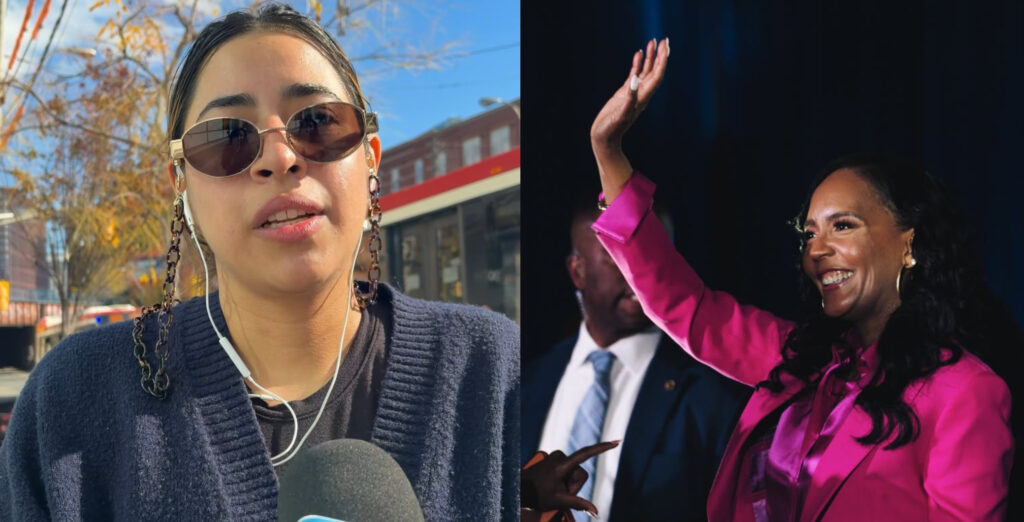
Across the country, voters elected candidates who broke major political barriers, including Keisha Lance Bottoms, who became the first Black woman elected governor of Georgia. Abdul El-Sayed is another candidate that made history, becoming the first Muslim U.S. Senator.
But there’s another part of these historic wins worth talking about, their names.
For years, there’s been an ongoing conversation of people from ethnic backgrounds feeling like they’re at a disadvantage when it comes to applying for a job.
People with names that are considered ethnic or culturally different have faced discrimination, sometimes without even realizing it. That can mean getting fewer job callbacks, receiving a call for an interview or even feeling pressured to hide or change their name when applying for a job.
Research has found that people with the same qualifications and experience can receive different responses from employers simply because of the name on their resume.
A study from 2024 shows that applicants with white sounding names got 50 per cent more callbacks for a job than those with Black sounding names.
Another study from the University of California, Berkley and University of Chicago also showed that name discrimination is very prevalent. A total of 83,000 fake job applications were sent for 11,000 entry-level positions, and 9 per cent of white applicants got called back more than Black applicants. It also showed that employers with the biggest disparity called back white applicants about 24 per cent more often.
The fake job applications compared names like Brad and Greg, to Darnell and Lamar. And the names Amanda and Kristen to Ebony and Latoya.
When someone with an ethnic name reaches the highest levels of politics, it can send a powerful message that your name doesn’t have to be a barrier to success.
The Brandon Gonez Show hit the streets, and Canadians shared their own experiences of this kind of discrimination.
“I think that it’s important because, as a Latina myself, I have experienced discrimination in a workplace where I wasn’t accepted because I have an accent,” said Ontario resident, Veronica L.
An interracial couple connected the issue to housing discrimination, sharing that when looking for a place to live, they weren’t having any luck. But that changed after switching to use her name, Hailey, to make calls instead of her partner who has an ethnic name.
“When he applied for apartments, people didn’t answer. When I started applying for apartments, people answered me, so we can definitely relate to that,” Ontario resident Hailey told The Brandon Gonez Show.
For another local named Karanvir K., the experience was even more personal.
“I’ve been a victim to the same thing, where my name has been butchered in both the Americas to the extent where I was like, you know what, I don’t want to give my name anymore. Just read my card for what my name is,” said Karanvir K.
Seeing people with diverse names and backgrounds in positions of power can help challenge the idea that certain names, or the people behind them don’t belong in the room, which makes these political victories so significant.
“Having ethnic names, including myself, in the workforce, especially if people know if it’s in politics, people would be more aware,” said Karanvir K. “And we, being in the limelight, would not only help us get over the discrimination, but also help us economically.”
Representation isn’t just about seeing someone who looks like you, it is also about seeing someone whose name sounds like yours.