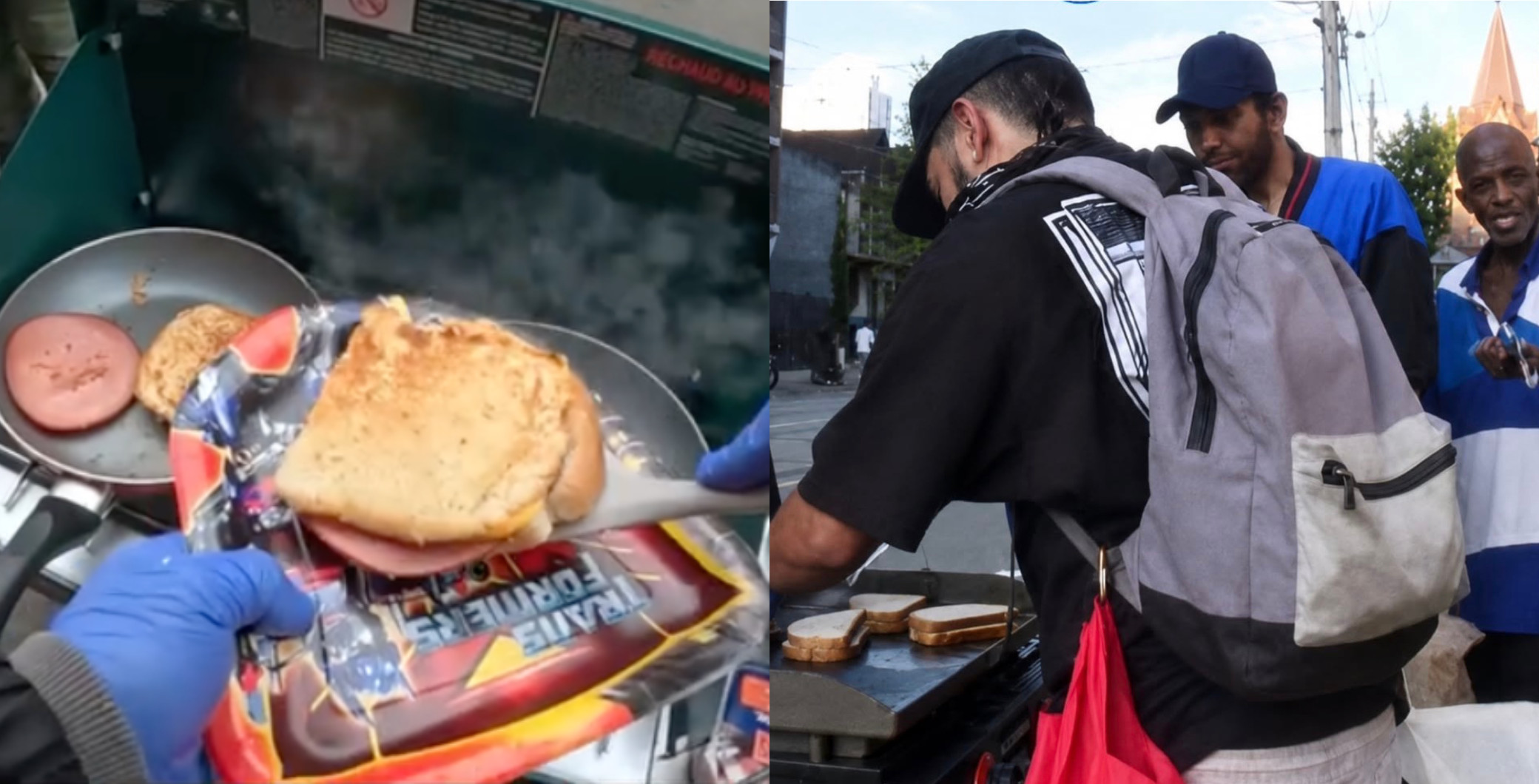
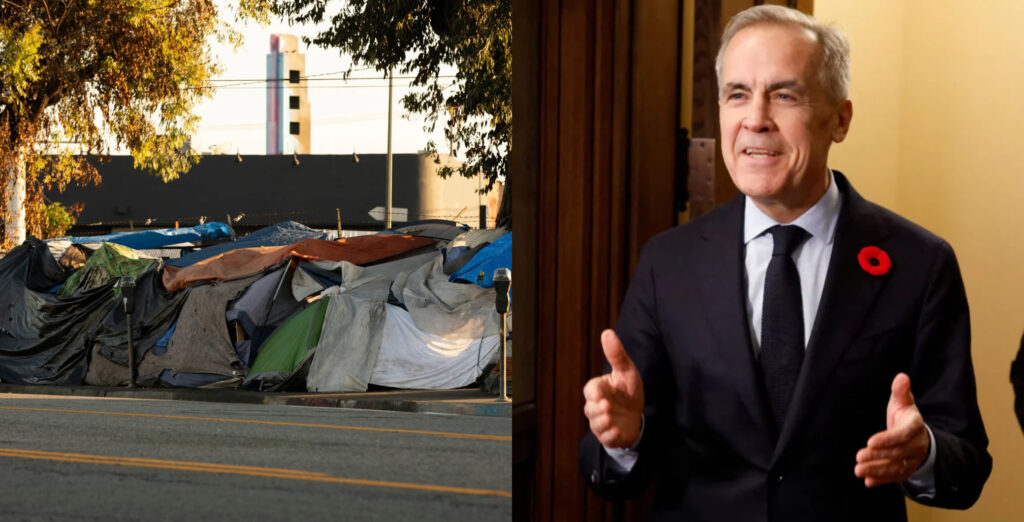
As homelessness remains a widespread crisis across Canada, opinions are split on Prime Minister Mark Carney’s ambitious 10-year strategy to eliminate it, leaving many optimistic about its potential while some remain doubtful of its possibility to happen.
On Nov.6, Carney announced the federal government’s $30-billion plan in Budget 2026 to end homelessness across Canada within 10 years.
According to the federal government, approximately 65,000 people were experiencing homelessness across Canada in 2025, with homelessness nearly doubling nationally since 2018.
“We understand both how difficult this will be, but equally how imperative it is that we all succeed. Because in Canada, we know we’re not perfect, but we always strive to be good, and we do things because they’re right, not because they’re easy,” said Carney at the press conference.
Under this initiative $6.5 billion is being put to extend the Reaching Home program to assist community-driven homelessness prevention efforts. Additionally, $5.5 billion is directed to the Canada Housing Benefit, offering monthly rent support to low-income residents across the country.
Another $10 billion will go toward building about 25,000 supportive and transitional homes across the country, and $5 billion to bring housing and health-care services together.
With homelessness on the rise, many Canadians remain doubtful that this decade-long strategy will succeed. However, senior housing researcher Dr. Carolyn Whitzman weighs in on how it could ultimately work.
“It’s possible if all three levels of government are working together. I think the budget sent a signal about what the federal government can do in terms of what we know works, which is creating more low-cost housing with supports, if necessary, for people who currently don’t have low-cost housing and are homeless,” Witzman told The Brandon Gonez Show.
Witzman also added provinces must contribute to operational funding to bridge the shortfall between current social assistance support and the actual running costs of housing.
She says the success of the plan will depend on whether provincial governments commit to working alongside Ottawa, pointing to Ontario and Saskatchewan as examples of provinces that have been slow to provide the necessary support.
“Ideally, you want all levels of government to be singing from the same songbook,” she said.
The first major partnership under the plan will be in Manitoba, where the federal government is providing more than $1 billion in new funding. The investment is expected to support more than 2,000 new supportive and transitional homes in Winnipeg, and a new centre for mental health and addictions.
However, some Canadians voiced their skepticism of this plan, while others are hopeful that it will work.
“Totally a false promise,” said a user on the Cable Public Affairs Channel (CPAC) post.
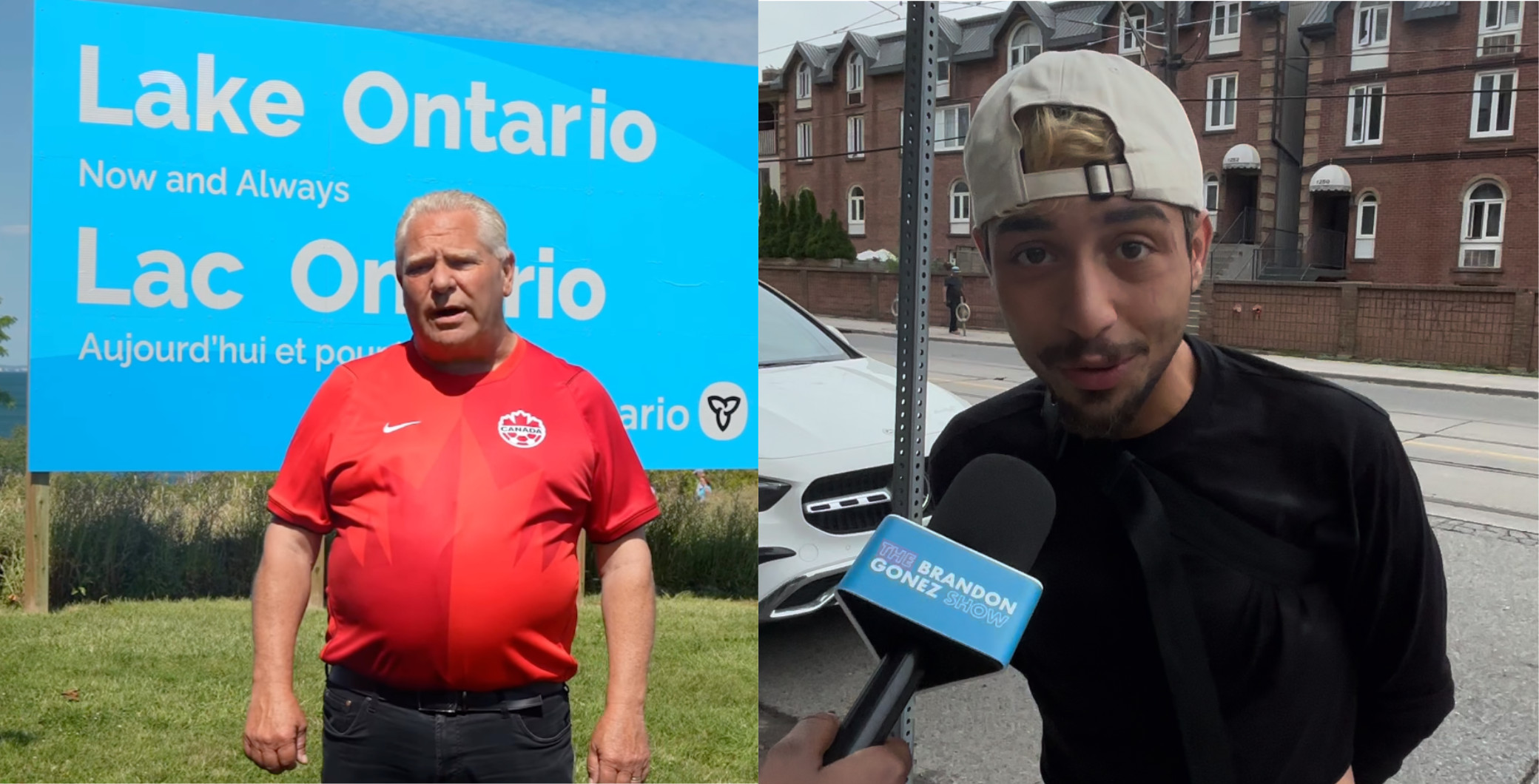
The Brandon Gonez Show took to the streets to ask Canadians their thoughts on the current state of homelessness and some shared the changes they’ve seen throughout the years.
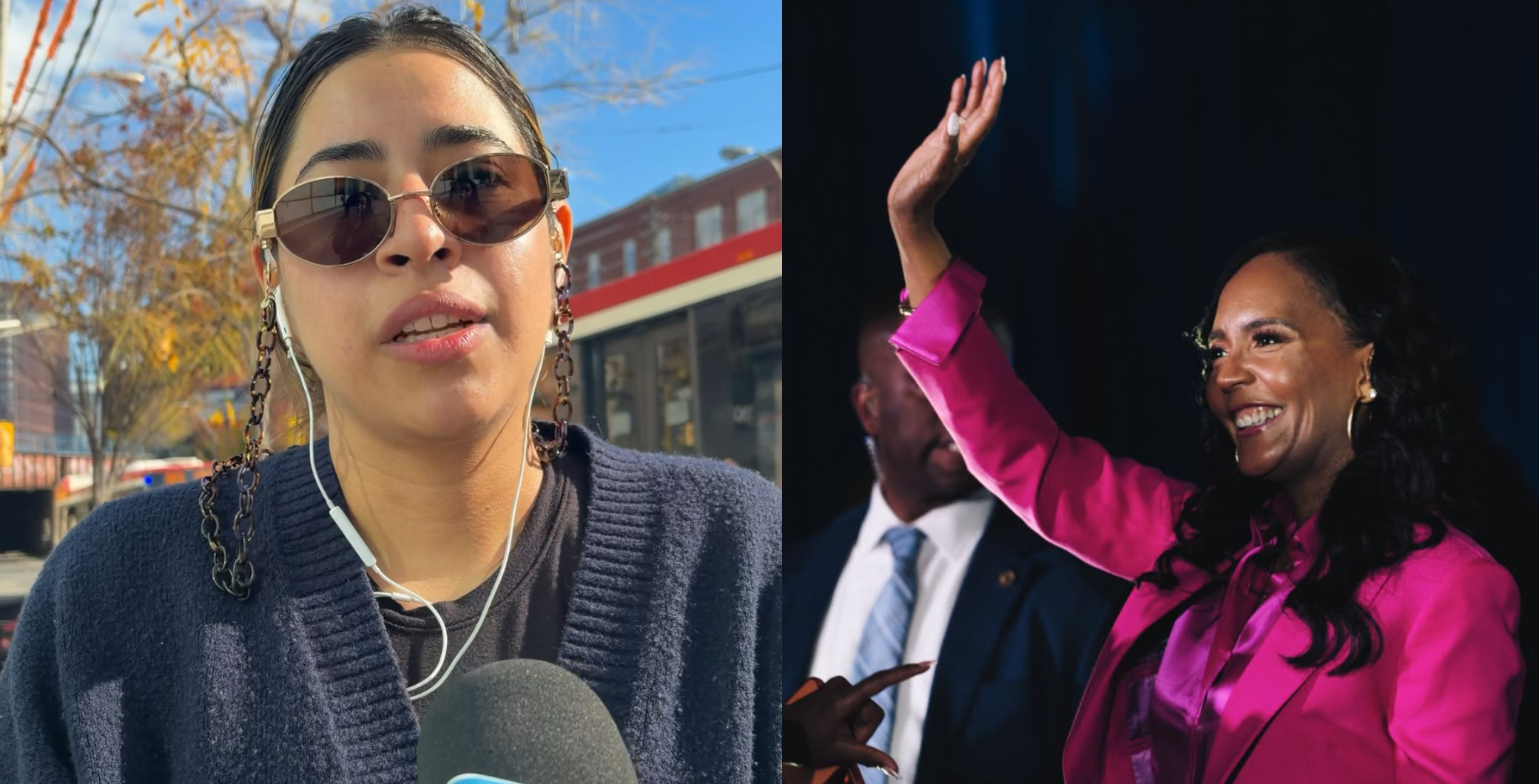
“I live in Vaughn, and I could definitely say that when I was little, I didn’t remember seeing as much volume as we do now. So I will definitely say that I do feel there has been an increase,” Cassandra S.
“In Toronto, I’ve been here for like 10 years now, and it’s bigger and bigger,” said Adam P. “Encampments are growing, and then the local government, especially, seems to militarise the response, which is crazy. Instead of offering services or education,” he added.
However, Canadians are hopeful that Carney’s strategy will work out and is realistic.
“Yeah, absolutely, and I think that it should stay at home with help and relief, rather than going everywhere else, for sure,” said Particia M.
“I think if we take the right initiatives and hopefully it does work out, it is a crisis in Toronto that we see all the time. But hopeful,” Cassandra S. told The Brandon Gonez Show.