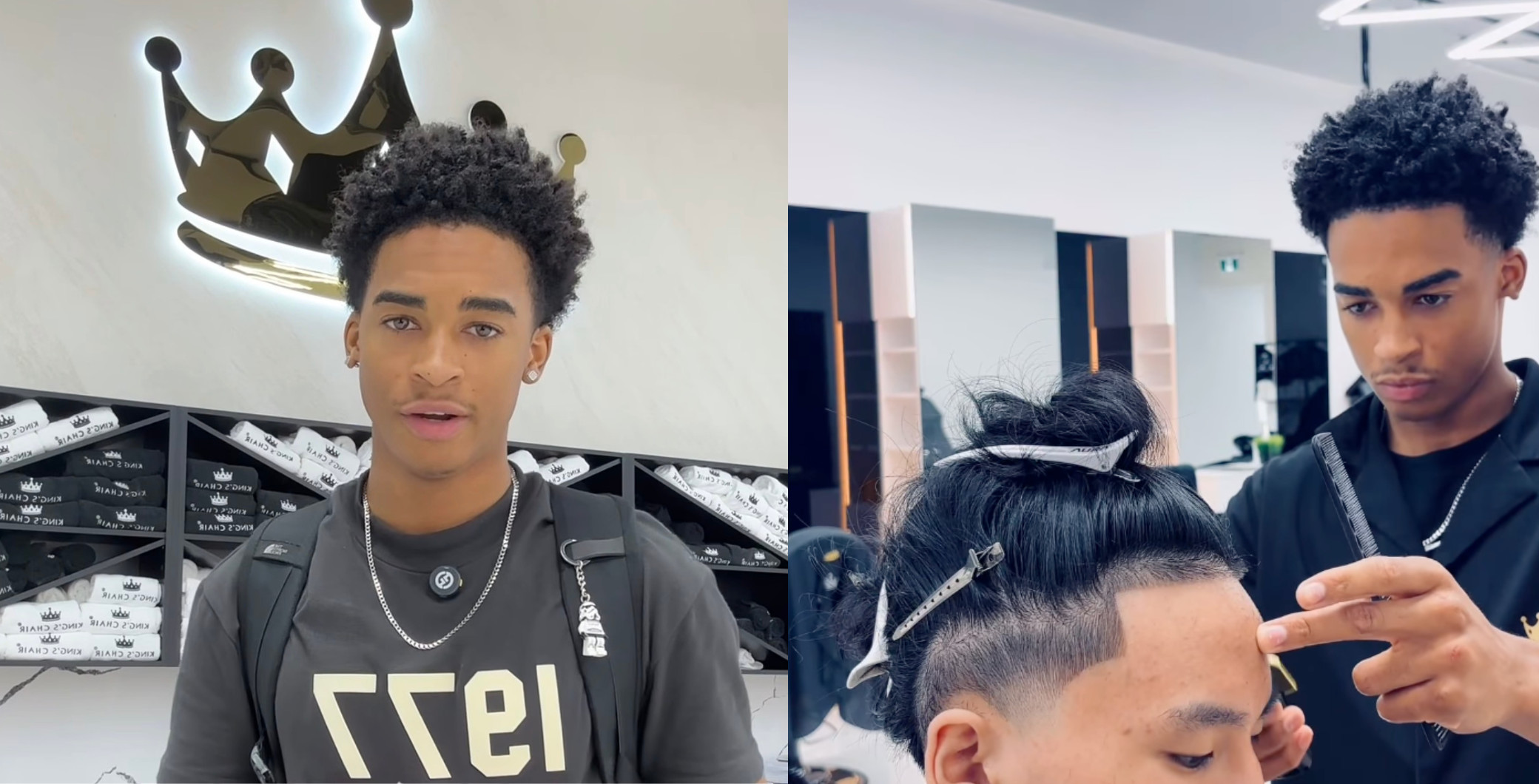
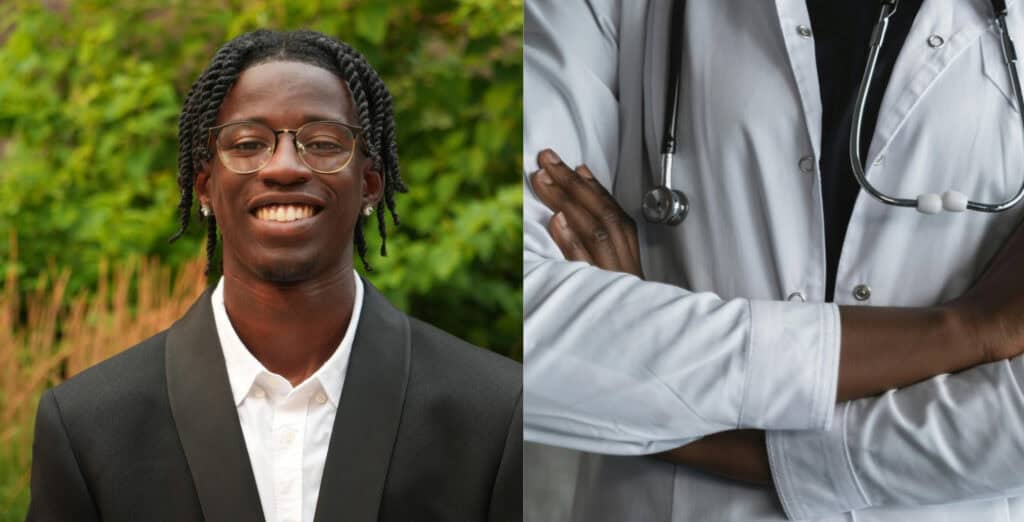
Tobi Oyedele (left) is a 21-year-old neuroscience student at the University of Toronto and he spoke to The Brandon Gonez Show about his journey so far in school and opened up about the isolation he sometimes felt being the only Black male science student in his classes.
An aspiring neurologist, Tobi Oyedele is striving to break systematic barriers in Canada, being a Black male in medicine, while inspiring others to do the same by sharing his journey and experiences for the world.
Oyedele is a fourth-year neuroscience specialist at the University of Toronto, who developed a fascination with the brain at a young age and during a high school research project on ALS, he felt the urge to pursue it further.
“I got to actually interview a bunch of professors across Canada and across the world, including Oxford University, and talked to these different researchers about what it looks like, what their process is, and from there I was really like, ‘wow, neuroscience is really where I want to be, and it has to be at U of T’,” Oyedele told The Brandon Gonez Show.
He is now going through the application process, applying to medical schools all across Ontario to attend next year.
His passion for becoming a neurologist comes from him wanting to make people’s lives better at a time when they need a lot of support.
“I love working with people. I love creating communities, and I knew that medicine is exactly that,” he shared.
In the future, he aims to emphasize research within the field in an effort to create future treatments.
“I wanted to really help on the research side as well, making sure that we’re actually making advancements in these fields because it’s very hard to advance the neurodegenerative field because a lot of these diseases have no cures,” said Oyedele.
Additionally, Oyedele drew inspiration from his father, an infection control worker at Trillium Hospital, who provided him with a strong foundation of knowledge in the healthcare system.
“My family has done a really good job supporting me,” he shares. “My parents always told me that I was going to be extraordinary, but I just had to do it. I had to take it for myself, and so I think they really pushed me, growing up.”
He is now using his social media platforms to document his studies and experiences as a Black medical student. He told The Brandon Gonez Show how the response has been from the public cheering him on and people admiring his strive to bring representation to the field.
“Even from the first video that I posted, I did a day in the life, just walking or going to the hospital and where I work, and already I was getting a lot of messages saying ‘you can do it, you got this’,” said Oyedele.
Recently, he sparked an online conversation after posting a video of him candidly sharing how lonely it has been being one of the only Black men in his science classes.
READ MORE:
Oyedele said the response has been “really overwhelming” as many around the world are resonating with his experience, and is also receiving messages from parents with Black children who are aspiring medical students.
“Social media is very positive in that aspect, where you can see so many people who really just want to see someone do better,” he told The Brandon Gonez Show.
“It’s important to listen to what the youth are saying”: Representation in the medical field
Black individuals remain underrepresented across Canada’s medical schools and in the profession, due to issues like systematic barriers in the field, financial barriers or lack of mentorship.
Like Oyedele mentioned in his video, many people may feel hesitant to apply for medical programs because they fear it may be hard for them to obtain a career since they don’t have that representation proving them otherwise.
“I’m in a lecture hall of like 1000 people, and I look around and it’s like, wow, like there really isn’t another Black guy here, and that’s kind of where it really hit me,” he told The Brandon Gonez Show.
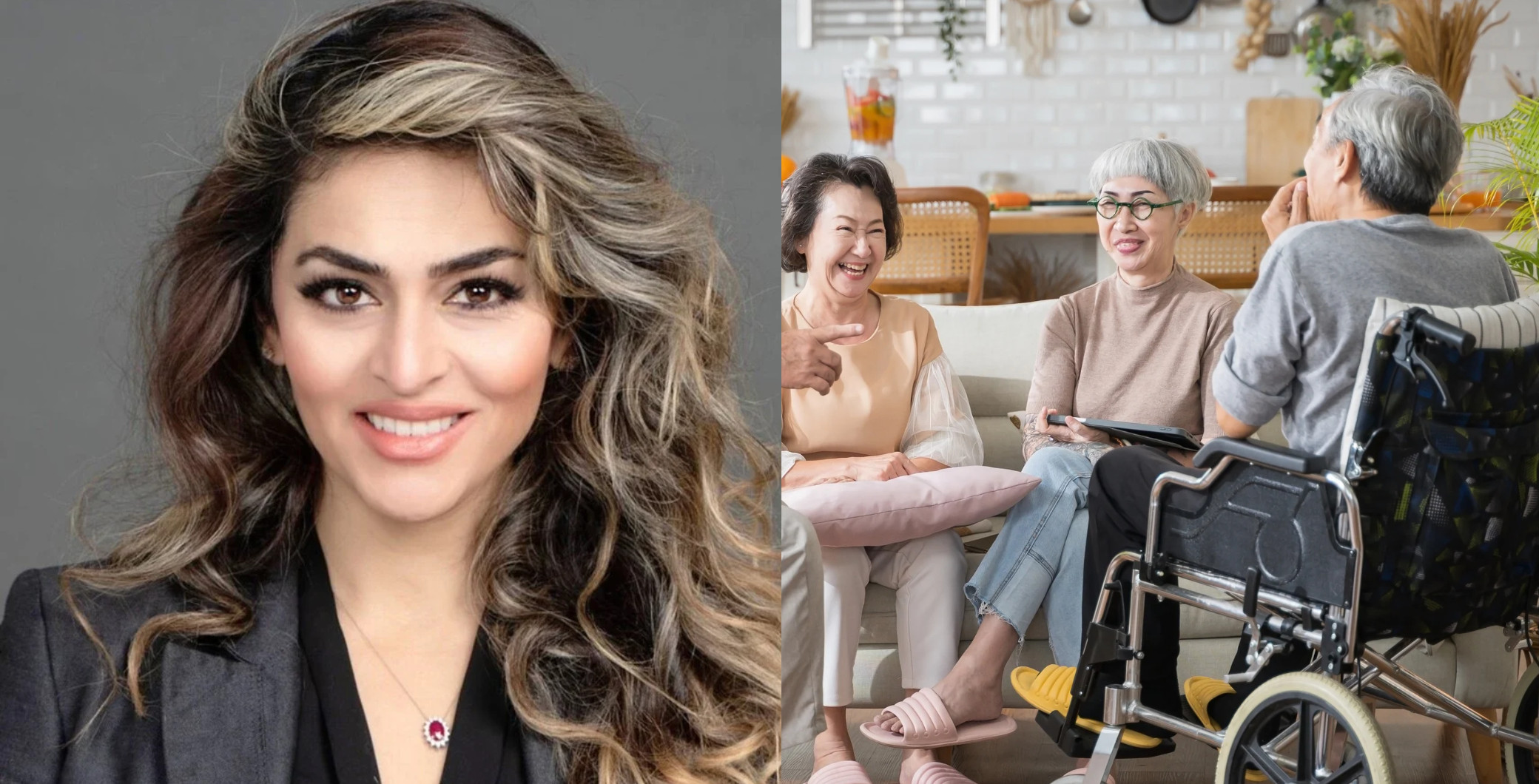
Dr. Trudy McFarlane, is a Black family physician and interim associate dean of Black flourishing at Toronto Metropolitan University (TMU) School of Medicine. She spoke on her personal challenges being what she called “the lonely only” in some of her classes and in training, which like Oyedele, was motivation for her to enter the field to increase representation.
During her ten years of practicing medicine, her mission is to support students so that they feel comfortable, welcomed and a sense of belonging in the field.
“Every system is cultivating something,” said Dr. McFarlane. “So if we continue to see things like underrepresentation in science and medicine, we have to consider asking ourselves, what conditions have our systems been cultivating, and how can we be intentional about cultivating something different.”
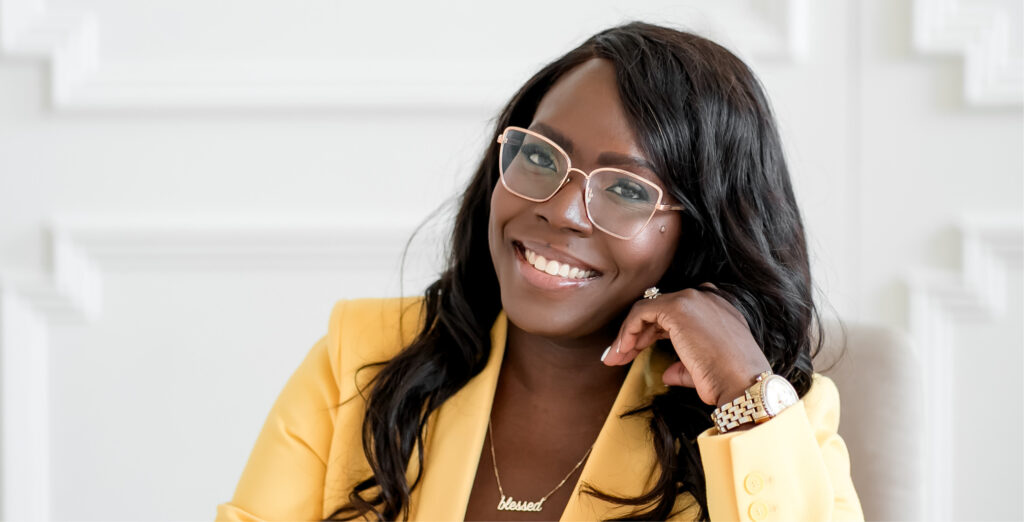
Dr. Trudy McFarlane is a Black family physician and interim associate dean of Black flourishing at Toronto Metropolitan University (TMU) School of Medicine.
According to the Canadian Medical Association, Black residents make up 4.7 percent of the population in Ontario and only 2.3 percent are doctors.
“Although I would say those numbers don’t tell us the full story about what’s going on, I think it certainly highlights that there’s still work to be done, and at the same time, I think it’s important to listen to what the youth are saying and experiencing,” she said.
Dr. McFarlane has been involved in community youth initiatives and focus groups within the community, such as the TMU and Peel District School Board (PDSB) Future of Healthcare Pathway Program which was curated to support early exposure, underrepresented youth and increase diversity in health-related sciences, nursing, community services and the medical field.
She shares that although there is a lot of excitement and interest in the field from students, they expressed an apprehensiveness to join the programs.
“Even when programs exist, there’s still kind of this hidden curriculum or hidden expectations as to who gets to engage in those programs, who has access to mentorship, who gets those early exposure opportunities,” said Dr. McFarlane.
She adds that if students don’t feel like they are being fostered in their interest at the early stages, that’s when interest gets lost as they may not see the possibility of achievement.
“We have a responsibility to do something different, especially within our educational and healthcare systems,” she said.