(Courtesy: Canva)
This Wednesday June 10, Prime Minister Mark Carney plans to table a bill that could place a ban on social media for children ages 16 and under.
Bill C-63 (the Online Harms Act) first loosely discussed the idea in 2024, with Culture Minister Marc Miller initially proposing the ban to be for minors 14-years-old and under. Québec MP Rachel Bendayan then presented it for youth 16 and under at the 2026 Liberal National Convention held in Montréal earlier in April, where the Liberal Party voted in favour of it.
Now, the proposal has become a non-binding Liberal Party policy, which will officially be tabled during Mark Carney’s weekly meeting on Wednesday.
The ban is to address mental health and safety concerns within youth that stem from social media use. It’s similar to one the Australia government implemented in December 2025, making it so children 16-years-old and under wouldn’t be able to keep or make accounts on social media platforms like TikTok, Instagram, YouTube, Snapchat, X and Facebook.
Great idea or gateway to censorship? Canadians are divided
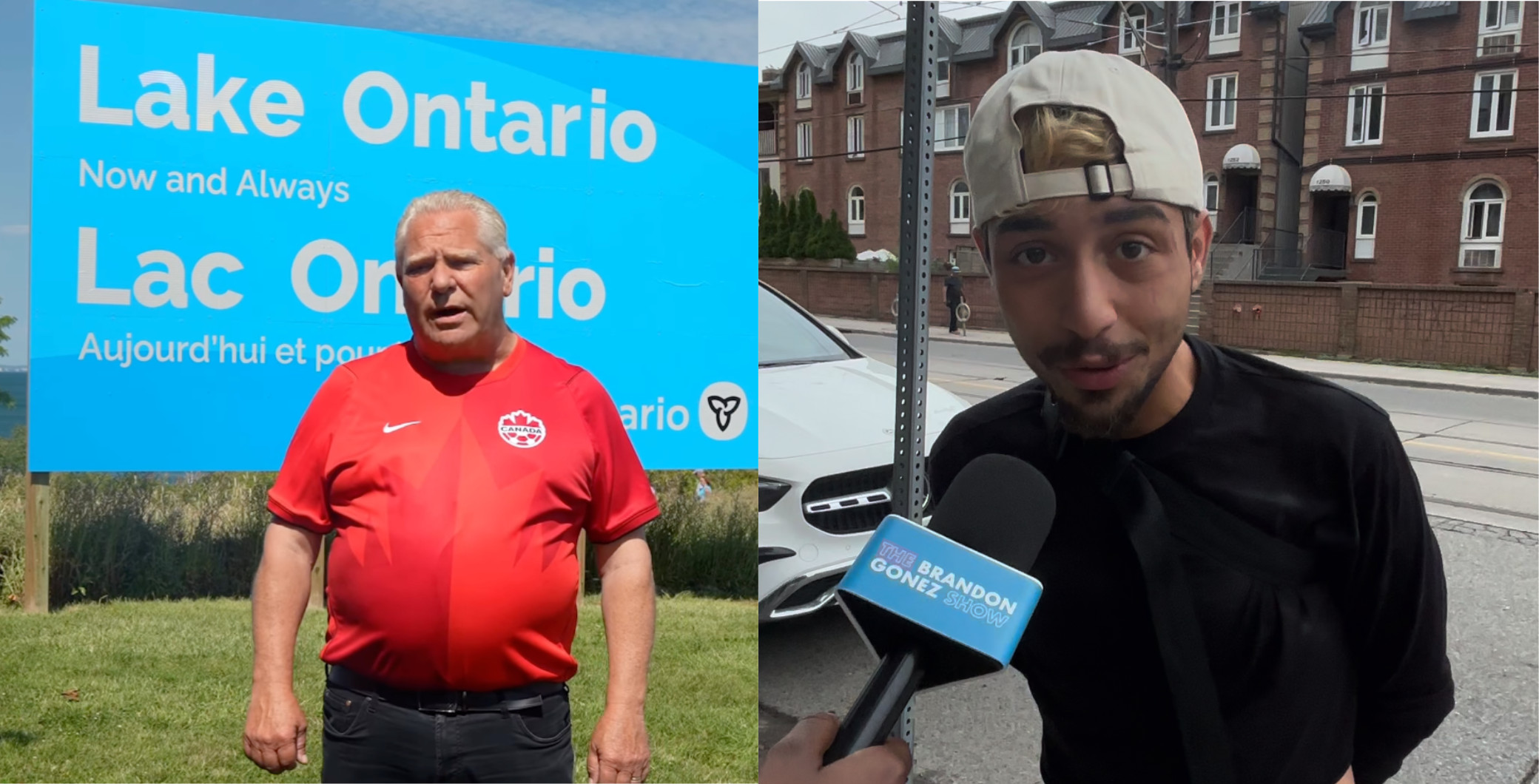
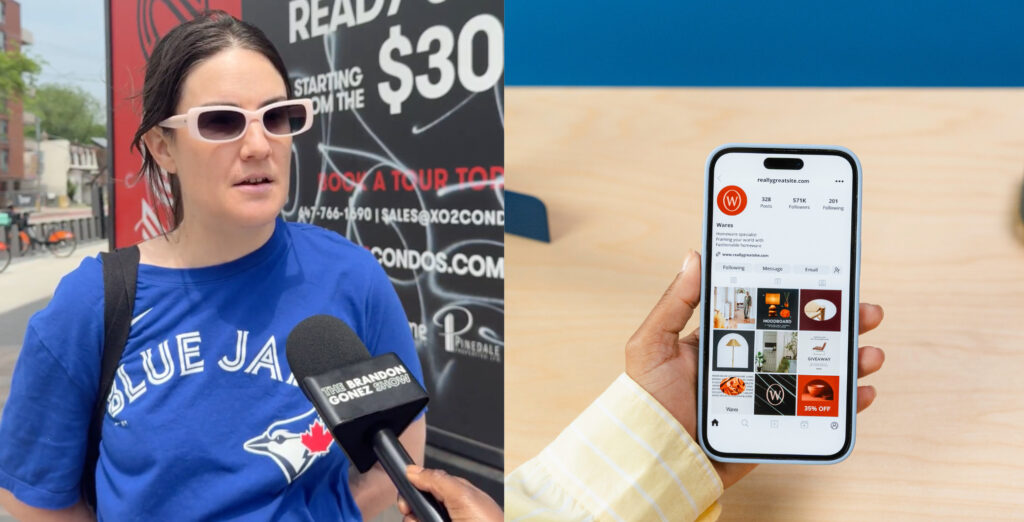
Ahead of the vote, Canadians in Toronto shared their thoughts on the potential legislation with The Brandon Gonez Show.
“I think it sounds good, but it would probably be difficult to enforce, and I’m not sure that it’s going to solve the issues that they wanted to solve. Kids might need more support than just a law,” said local resident Rachel S.
Toronto resident Max C. is 16 years old, and he expressed that the proposed ban is unreasonable for people in his age group. He suggested that this law would be more logical if it was targeted towards a younger demographic, specifically those aged 10 and under.
“A lot of people in this generation, like now a lot of people socialise online because people don’t go out as much since Covid and all that stuff. I think it shouldn’t [be] banned for that high of [an] age, because we’re almost adults anyway,” he told The Brandon Gonez Show.
He also thinks that if this law were to be placed that it would not be successful and may end up backfiring.
“I feel like people will find ways to get through that, but like I think they’ve tried to ban social media here a lot of times, and like in other countries as well, and [it] hasn’t really worked out,” Max C. adds.
Another local, Hannah E. also thinks that this law won’t work out the way the government plans to help promote online safety.
“I just don’t think that it will pass. I think that society is pretty tied to the ways that we use media and social media and the internet. I think that big corporations and companies are responsible to make their platform safer,” Hannah E. tells The Brandon Gonez Show.
Children go through intense social development and long screen time, and social media use definitely adds to higher levels of psychological distress in youth.
Cybervictimization is a term for when someone is targeted or harassed negatively by another person online.
According to Statistics Canada, cybervictimization increases during adolescence which often leads to depression, anxiety and other mental health issues.